








Stéphane Rolland’s Haute Couture returns to Paris with the SS26 collection
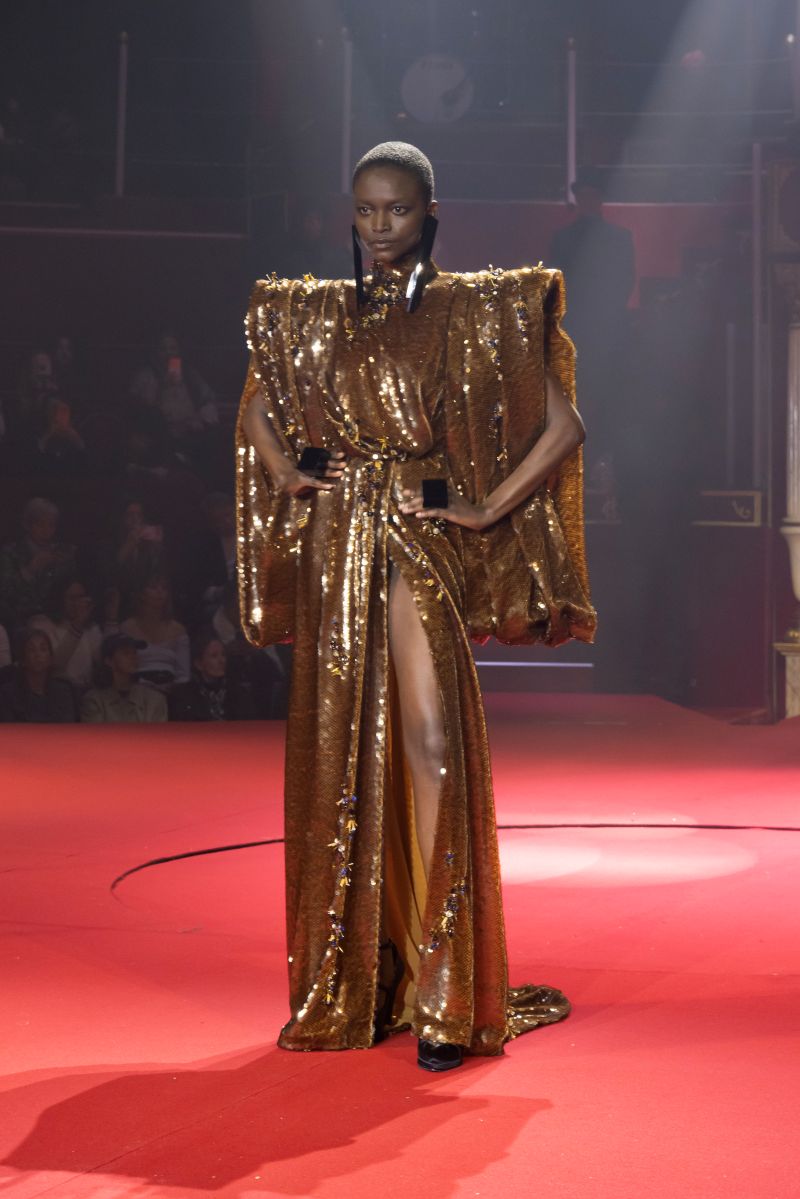
Parade. Pablo Picasso, at circus. Summer 2026 Haute Couture Collection
I conceived this collection as the reappearance of a circus believed to have vanished. A circus that does not raise its voice, that does not seek attention through excess, but through presence.
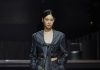
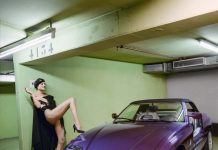
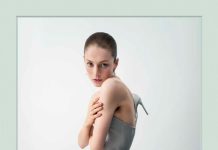
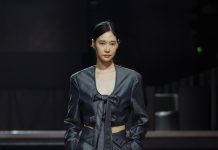
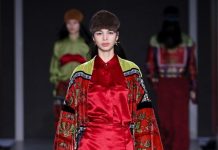
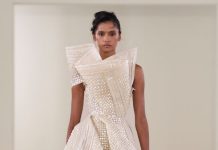
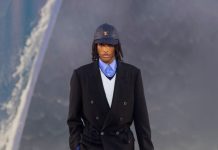
The first silhouettes enter as one would enter a sacred space: asymmetrical coats, coat-dresses, long structured capes that draw an architecture of silence. The volumes are precise, sometimes almost severe, because this circus is built on absolute rigor, on a constant tension between body and material. Gazar, duchess satin, and crepe become materials of construction as much as of expression. Each piece is conceived as a structure to inhabit, a shelter, a stage.
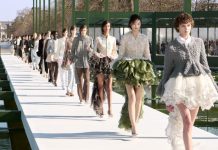
The runway unfolds like a procession, a circle closing in on itself. The silhouettes move forward slowly, with deliberate gravity, like performers aware of the weight of their role. Jumpsuits, omnipresent, embody the idea of the total body, free in movement yet perfectly contained. Structured shorts, bustiers, dresses with bustles or winged backs translate the circus’s unstable balance: to hold, to rise, not to fall. Shoulder volumes, cubic sleeves, corolla or ball skirts evoke suspension, momentum, the instant just before the leap. Nothing is illustrative; everything is suggested.
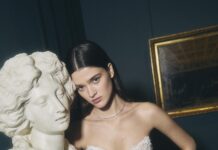
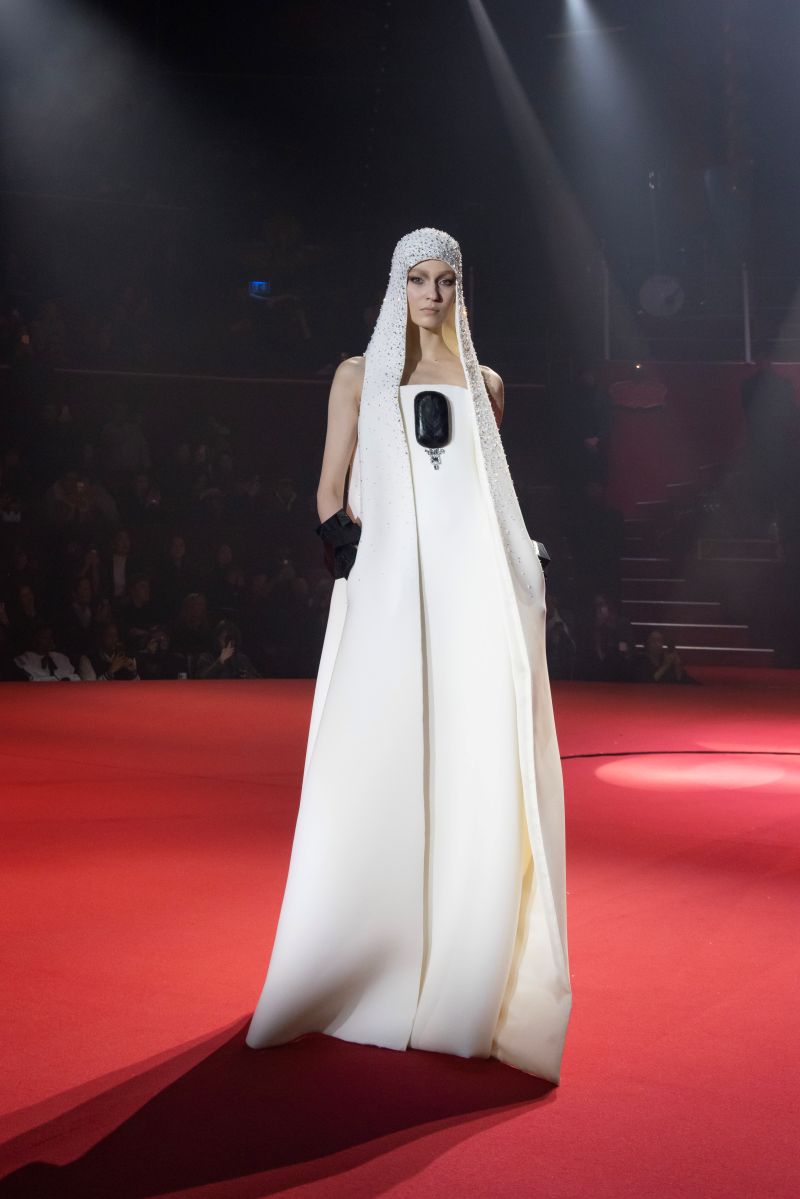
The circus that inspires me is inhabited by archetypal figures: the Auguste, the Ringmaster, Pierrot, the solitary clown. I do not seek to represent them, but to extract their essence. The clown becomes a tension between gravity and fragility, translated through matte materials set against bursts of embroidery. The Ringmaster appears in the rigor of the lines, in the impeccable restraint of black-and-white silhouettes. Pierrot is sensed in ruffs, circular volumes, radical contrasts. These characters live through cut, rhythm, and material. Embroidery plays a central role, not as ornament but as language. Diamonds, crystals, rubies, topazes, garnets do not speak of wealth, but of light. They appear like constellations, points of orientation within darkness. Each brooch, each plexiglass detail is conceived as a fragment of set design, a stage accessory displaced onto the body. Jewelry becomes architecture; the garment becomes scenography.
Everything is in dialogue; nothing stands alone. Pablo Picasso runs through this collection as an obvious presence. His relationship with the circus, with saltimbanques and marginal yet profoundly human figures, feeds my vision. What interests me is his ability to see beauty in fragility, nobility in marginality. The runway is conceived as a contemporary ballet, an indirect homage to Parade. As with Picasso, bodies are sometimes angular, sometimes supple, always expressive.
Fashion becomes an art of movement as much as of form. The music of Erik Satie accompanies me in this search for restraint. A music that refuses pathos, that advances through repetition, rupture, irony. It inspires the rhythm of the show—slow, almost hypnotic. To this rigor is added the melancholy of Nino Rota, his sense of poetic imbalance. Fellini’s films haunt the atmosphere, bringing a strange tenderness for excessive, fragile, magnificent beings. An imaginary bandoneon accompanies the silhouettes, like a breath.
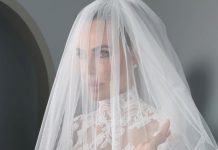
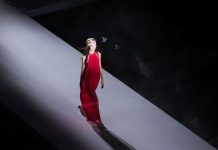
The circus I invoke is also that of the Second Empire, the Cirque d’Hiver under Napoleon III. A circus of contained splendor, discipline, and ceremony. Noble materials, deep blacks, radiant whites, reds embroidered with precious stones dialogue with this idea of controlled grandeur. Capes, long dresses, and trains evoke an almost imperial ritual. Yet nothing is fixed; everything is crossed by movement. It is a circus of elegance and tension. Doves appear as a transversal, almost political symbol. They pass through the collection like a breath, a necessary respiration. Embroidered, suggested, sometimes abstract, they embody an idea of peace, renewal, and trust. They also recall Picasso, his simple and universal gesture. In an unstable world, they become a sign of positivism without naivety. They remind us that even in shadow, a light persists.
This show is conceived as a circle, a ritual. The ghosts of the circus return, not to replay the past, but to transform it. They appear, cross the space, and disappear once again. What remains are the silhouettes, the memory of movement, the emotion. The circus is reborn for a brief moment, carried by bodies, materials, and light. Stéphane Rolland.
Credits:
Art Direction and Production Pierre Martinez
Hair by Bjorn Axen @Johan Hellstöm
Make Up by Baltazar Gonzalez @Mac
Courtesy of Station Service